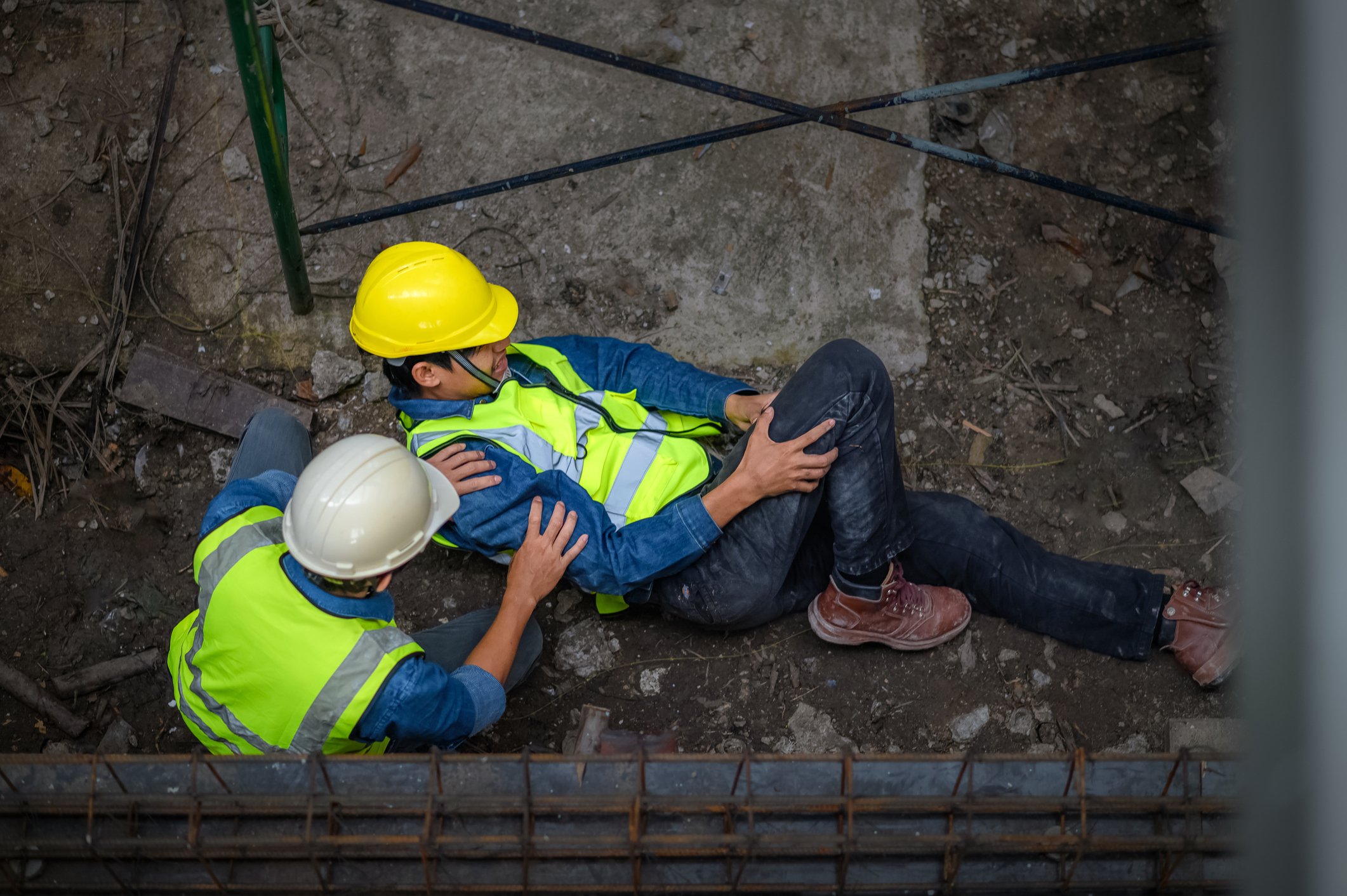
Getting injured at work can leave you with many questions. You may know that workers’ compensation benefits are available to employees who suffer job-related injuries, but what happens when someone other than your employer caused the accident?
In some situations, an injured worker may have the right to pursue a third-party workplace injury claim in addition to receiving workers’ compensation benefits. This can happen when a person, company, or other outside party was responsible for causing the injury.
Understanding whether you can sue someone other than your employer after a workplace accident is important because a third-party claim may provide compensation that is not available through workers’ compensation alone.
What Is a Third-Party Workplace Injury Claim?
A third-party workplace injury claim is a legal claim against someone other than your employer who may have caused or contributed to your injury.
Workers’ compensation generally provides benefits to employees injured on the job, regardless of who caused the accident. However, workers’ compensation benefits may also limit an employee’s ability to sue their employer directly.
That does not necessarily mean that every other party involved in the accident is protected from liability.
If another individual, business, property owner, contractor, or manufacturer caused your injury, you may have grounds for a third-party workplace injury claim.
Who Could Be Responsible for a Workplace Accident?
Every workplace accident is different. Depending on the circumstances, several parties may have contributed to an employee’s injuries.
Potential third parties may include:
- Negligent drivers
- Contractors or subcontractors
- Property owners
- Equipment manufacturers
- Maintenance companies
- Other businesses operating at the worksite
Identifying every potentially responsible party is an important part of investigating a serious workplace accident.
Example: Injured by a Negligent Driver While Working
One common example involves employees who drive as part of their job.
Imagine that you are driving a company vehicle to meet a client or make a delivery. Another driver runs a red light and crashes into your vehicle.
Because you were working at the time of the accident, you may be eligible for workers’ compensation benefits. However, the negligent driver who caused the accident may also be responsible for your injuries.
In this situation, you could potentially have both:
- A workers’ compensation claim
- A personal injury claim against the at-fault driver
This is one example of how a personal injury claim after a work accident may arise.
Can You Sue a Contractor After a Workplace Injury?
Construction sites and other shared workplaces often involve multiple companies working in the same location.
For example, a general contractor may hire several subcontractors to perform different tasks. If an employee of another company creates a dangerous condition that causes your injury, that company may potentially be considered a third party.
Examples may include:
- Falling objects caused by another contractor
- Unsafe scaffolding
- Negligent equipment operation
- Dangerous construction site conditions
- Failure to follow safety procedures
Determining liability in these cases can be complicated because multiple companies may have responsibilities at the same job site.
A thorough investigation may be necessary to determine exactly how the accident happened and who may be legally responsible.
What If Defective Equipment Caused Your Workplace Injury?
Sometimes a workplace injury is caused by defective machinery, tools, or equipment.
For example, an employee may be injured because:
- A machine malfunctions
- A safety device fails
- A defective ladder collapses
- Industrial equipment has a dangerous design
- A power tool unexpectedly malfunctions
In these situations, the manufacturer, distributor, or another company involved in the product’s supply chain could potentially be responsible.
This may allow an injured worker to pursue a product liability claim in addition to workers’ compensation benefits.
Preserving the defective equipment can be important because it may serve as evidence during an investigation.
What If You Are Injured on Someone Else’s Property?
Some employees regularly perform their jobs at locations owned by other people or businesses.
Examples include:
- Delivery drivers
- Home healthcare workers
- Contractors
- Maintenance workers
- Sales representatives
- Service technicians
If you are injured while working on someone else’s property, the property owner may potentially be responsible if a dangerous condition contributed to the accident.
For example, an employee could be injured because of:
- A slippery floor
- Broken stairs
- Poor lighting
- Unsafe walkways
- Falling objects
- Poor property maintenance
Property owners have certain responsibilities regarding dangerous conditions. However, determining whether a property owner is legally responsible depends on the specific circumstances of the accident.
What Is the Difference Between Workers’ Compensation and a Third-Party Claim?
Workers’ compensation and third-party personal injury claims are not the same.
Workers’ Compensation
Workers’ compensation benefits may assist with:
- Medical expenses
- A portion of lost wages
- Disability benefits
- Rehabilitation
Workers’ compensation is generally a no-fault system, meaning an employee may be eligible for benefits even if the employer did not cause the accident intentionally.
However, workers’ compensation benefits may be limited compared to the damages available through a personal injury lawsuit.
Third-Party Personal Injury Claim
A third-party claim generally requires proving that another party was legally responsible for causing the injury.
Depending on the circumstances, a successful claim may seek compensation for damages such as:
- Medical expenses
- Lost wages
- Future loss of earning capacity
- Pain and suffering
- Emotional distress
This is why identifying a potential third-party liability workplace accident can be important after a serious injury.
Can You Receive Workers’ Compensation and File a Third-Party Claim?
In some situations, yes.
An injured employee may receive workers’ compensation benefits while also pursuing a claim against a negligent third party.
However, these cases can become complicated because workers’ compensation insurers may have certain rights related to money recovered through a third-party lawsuit.
For this reason, it is important to understand how the two claims may interact before accepting a settlement or resolving either claim.
How Do You Know If Someone Other Than Your Employer Was Responsible?
Identifying third-party liability often requires a careful investigation.
Important evidence may include:
- Accident reports
- Witness statements
- Photos and videos
- Surveillance footage
- Equipment inspection records
- Maintenance records
- Employment records
- Safety reports
Depending on the accident, investigators may also review contracts between companies, workplace safety procedures, and the actions of everyone involved.
The goal is to determine whether another person or company contributed to the conditions that caused the injury.
Common Workplace Accidents That May Involve Third Parties
Several types of workplace accidents may involve third-party liability.
Car and Truck Accidents
Employees who drive for work may be injured by negligent drivers, commercial vehicles, or trucking companies.
Construction Accidents
Construction sites often involve multiple contractors, subcontractors, property owners, and equipment manufacturers.
Defective Equipment Accidents
Defective machinery, tools, or safety equipment may lead to product liability claims.
Slip and Fall Accidents
A dangerous condition on property owned or maintained by another party could potentially result in a third-party claim.
Delivery and Service Worker Injuries
Employees who regularly work at customer locations may be exposed to hazards outside their employer’s direct control.
Why Third-Party Claims Matter After a Serious Workplace Injury
A serious injury can create financial challenges that extend far beyond immediate medical bills.
An injured worker may face:
- Long-term medical treatment
- Permanent physical limitations
- Reduced earning capacity
- Lost career opportunities
- Ongoing rehabilitation
- Chronic pain
Workers’ compensation benefits can provide important support, but they may not cover every loss associated with a serious injury.
When another party contributed to the accident, a third-party claim may provide an additional path toward recovering compensation.
What Should You Do After a Workplace Accident?
If you are injured at work, taking action quickly can help protect your health and preserve important evidence.
Consider taking the following steps:
1. Report the Injury
Notify your employer about the workplace accident as soon as possible.
2. Seek Medical Treatment
Your health should always be the priority. Follow appropriate medical advice and keep records related to your treatment.
3. Document What Happened
If possible, take photographs and gather information about the accident scene.
4. Identify Everyone Involved
Take note of other companies, contractors, drivers, property owners, or individuals who may have been involved.
5. Preserve Evidence
Do not throw away damaged equipment, clothing, or other items that could help explain how the accident occurred.
6. Understand All Available Legal Options
A workplace injury may involve more than just a workers’ compensation claim. Understanding whether a third party contributed to the accident can be an important part of protecting your rights.
When Should You Speak With a Workplace Accident Attorney?
You may want to seek legal guidance after a workplace accident if:
- Someone other than your employer caused the injury
- You were injured in a work-related car accident
- Defective equipment caused the accident
- Another contractor created a dangerous condition
- You were injured on someone else’s property
- You suffered a serious or permanent injury
- Multiple insurance companies are involved
Third-party workplace injury cases can involve complex questions about liability, insurance coverage, and the interaction between workers’ compensation and personal injury law.
Contact Price & Randle Injury Attorneys
If you were injured at work, workers’ compensation may not be your only option. In some situations, another person or company may be responsible for the accident that caused your injuries.
A third-party workplace injury claim may allow an injured worker to pursue compensation beyond what is available through workers’ compensation benefits.
The team at Price & Randle Injury Attorneys can help you understand your legal options after a serious workplace accident and determine whether another party may have contributed to your injuries.